Table of contents
How well do you actually know WordPress? The ten questions below cover what site owners run into every week — the dashboard, posts versus pages, plugins, themes, users and backups. Jot down your answers, then check them against the answer key underneath. Anything you miss links straight to a tutorial that explains it properly.
The questions
- Where do you change your site's title and tagline?
- What is the difference between a post and a page?
- Where do you go to add a new plugin to your site?
- In the block editor, what is a "pattern"?
- Which user role is allowed to install plugins and themes?
- What does the Settings > Reading screen control?
- Where do you change the structure of your URLs?
- What is a child theme for?
- What is the difference between WordPress.com and WordPress.org?
- What is the one thing you should always do before a major update?
The answer key
1. Settings > General. Your site title and tagline live here, along with your site address, admin email, timezone and date format. If you have never taken the tour, start with the WordPress dashboard.
2. Posts are dated, pages are not. Posts are your blog entries: they carry categories and tags, appear in your feed, and are listed newest first. Pages are standalone and timeless — About, Contact, Services. Here is how to create a page.
3. Plugins > Add New. Search the plugin directory, install, then activate. Full walkthrough: installing a WordPress plugin.
4. A ready-made block layout. Patterns are pre-built arrangements of blocks you drop in and edit, so you do not have to build a section from scratch. See how to use WordPress block patterns.
5. Administrator. Editors can publish anyone's content but cannot touch plugins, themes or users. Getting this wrong is how sites end up with five administrators who should not be. Read WordPress user roles.
6. What your homepage shows, and search engine visibility. It sets whether your homepage is your latest posts or a static page, how many posts show per page, and it holds the "Discourage search engines" checkbox — the single most common cause of a site that will not rank. See WordPress SEO basics.
7. Settings > Permalinks. Post name is the sensible choice for almost every site. Change it on an established site and your old URLs break unless you redirect them.
8. Keeping your changes safe through updates. Edit a theme directly and the next theme update overwrites your work. A child theme inherits everything from the parent and holds your customizations separately: the easiest way to make a child theme.
9. Hosted service versus self-hosted software. WordPress.com runs the software for you on their terms; WordPress.org is the free software you install on your own host, with full control over plugins, themes and code. More in what is WordPress.
10. Take a backup. Core, plugin and theme updates are usually uneventful — until the one that is not. A current backup you have actually tested is the difference between a bad ten minutes and a bad week. Compare the top WordPress backup plugins, and see does WordPress need maintenance for the wider routine.
How did you do?
- 8 to 10 correct — you know your way around. Point yourself at the block editor and SEO guides next.
- 5 to 7 correct — solid working knowledge, with a few gaps worth closing.
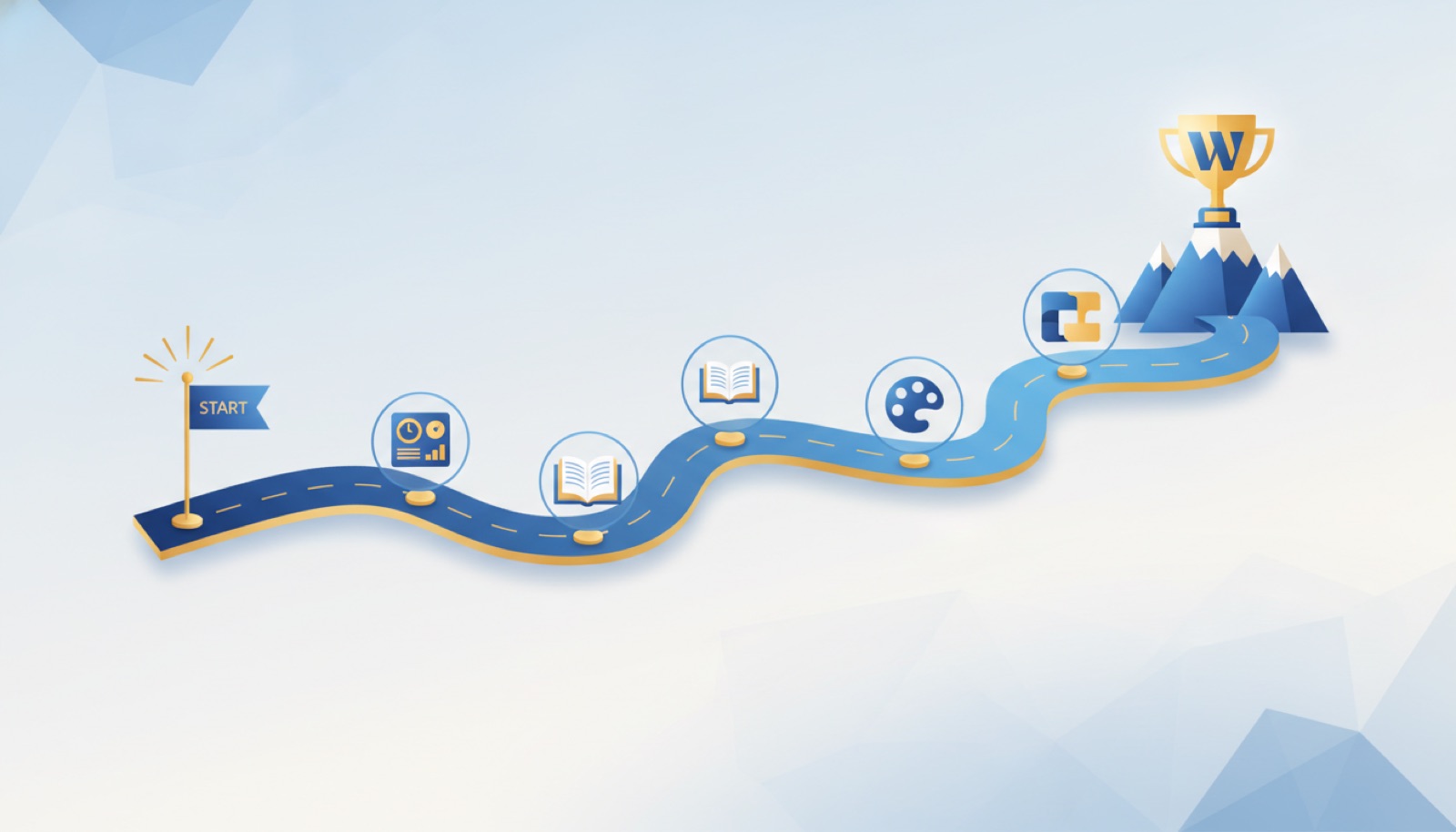
- Under 5 — start with the beginner path on the tutorials page and work through it in order.
If you would rather have someone walk you through the gaps directly, that is exactly what our one-on-one tutoring sessions are for.
Leave a comment